

Our annual Frontenac Biothon event will be held this weekend, June 9-10, 2012, in Frontenac Provincial Park.
 The Frontenac Biothon was created to raise important funds for our work and make a beneficial contribution to science and conservation at the same time. Held annually in June or July, the Frontenac Biothon is a sponsored event where three teams of naturalists identify as many species as possible within an allotted 24-hour period. Since the inaugural event in 2010, over 700 species have been identified in Frontenac Provincial Park, which includes nearly 600 species of plants and invertebrates! These exhaustive searches have also led to some significant discoveries including occurrence records for many regionally rare species and designated Species at Risk.
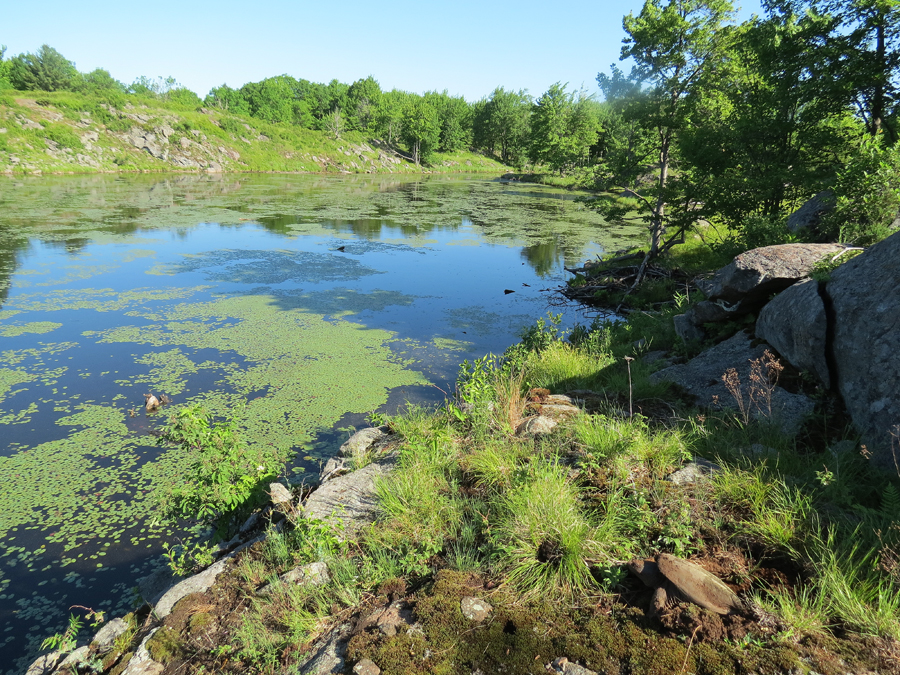
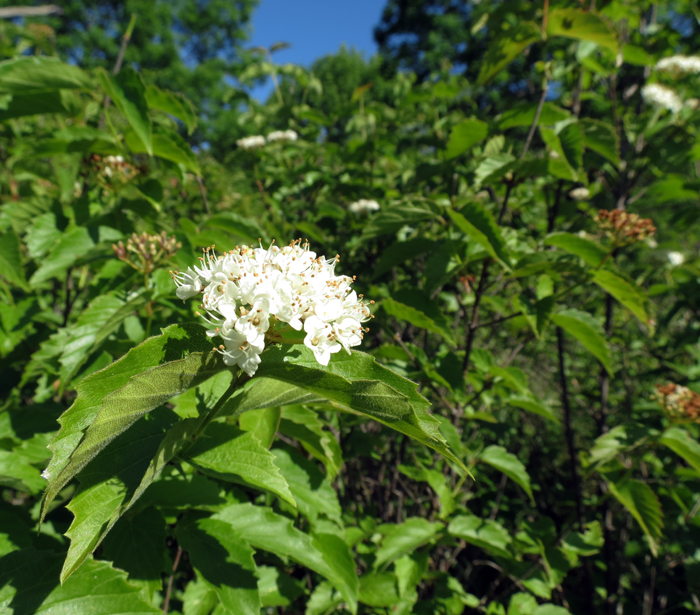
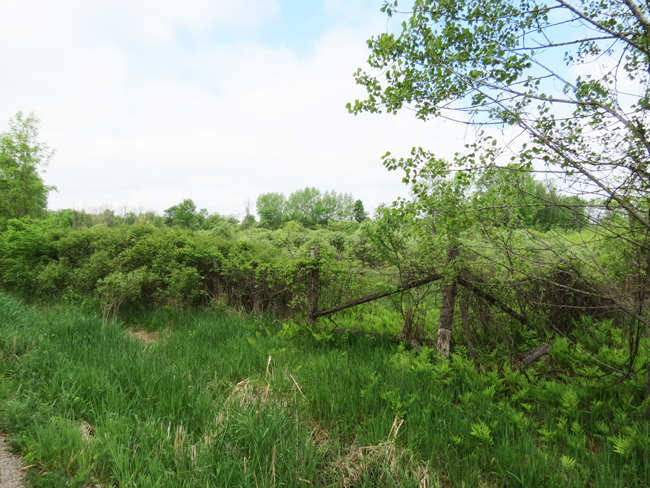
This year our teams will take to the woods, meadows and lakes on June 9-10, 2012. Our biologists will be identifying all plants, mammals, birds, amphibians, reptiles and insects encountered but will have a specific focus on rare species and designated Species at Risk.
How you can Help
While our biothon teams have all the fun battling bugs, swamps and steep terrain – it’s the sponsors that make the event happen! Frontenac Bird Studies is a program of the Migration Research Foundation – a registered charitable organization in the U.S and Canada. All sponsors receive a tax-creditable receipt for donations over $10. You can sponsor the Frontenac Biothon by mail (see below for details) or online through Paypal. 100% of donations will go directly to support FBS programs.
Sponsor a Biothon Team
Seabrooke Leckie & Dan Derbyshire

.
Julia Marko Dunn & Chris Dunn

.
Steve Gillis & Karina Dykstra
You can also sponsor the biothon by cheque through regular mail. Please complete the cheque to Migration Research Foundation Inc. Simply include the name of the biothon participant you wish to sponsor on the memo line of the cheque and send the envelope to our address below.
Frontenac Bird Studies
2386 Bathurst 5th Concession
RR7, Perth, ON.
K7H 3C9





 Frontenac Bird Studies